Brazil is world-renowned for its wonderful beaches and the diversity of its exuberant landscapes, which make it an attractive destination for tourism, vacations, and relaxation.
However, this was not the case here.
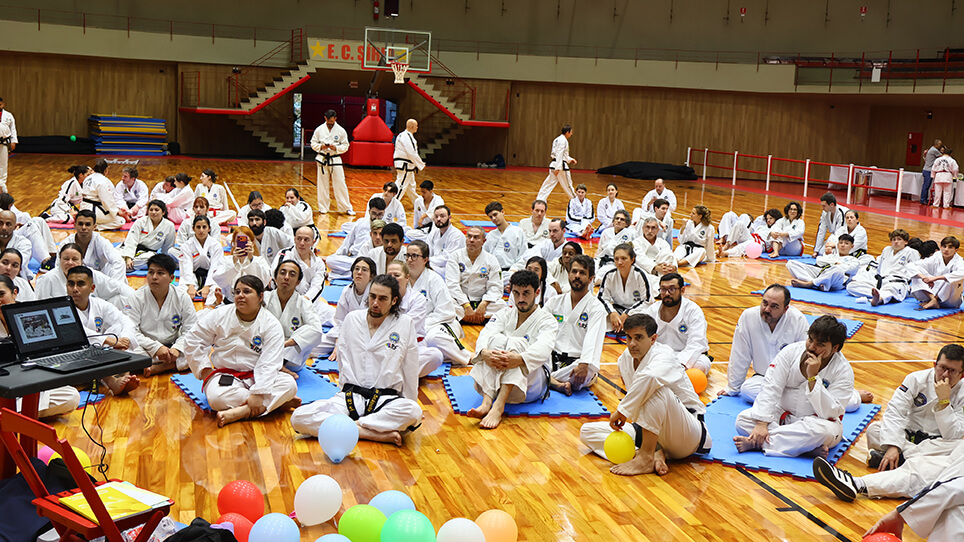
IIC No. 195 demonstrated that this country can also bring people together for a weekend of work, study, and Taekwon-Do practice.
The presence of Grand Masters, Masters, Instructors, and students who joined the local participants, coming from Argentina, Andorra, Bolivia, Chile, Colombia, Guatemala, Paraguay, and the USA, clearly demonstrated this.
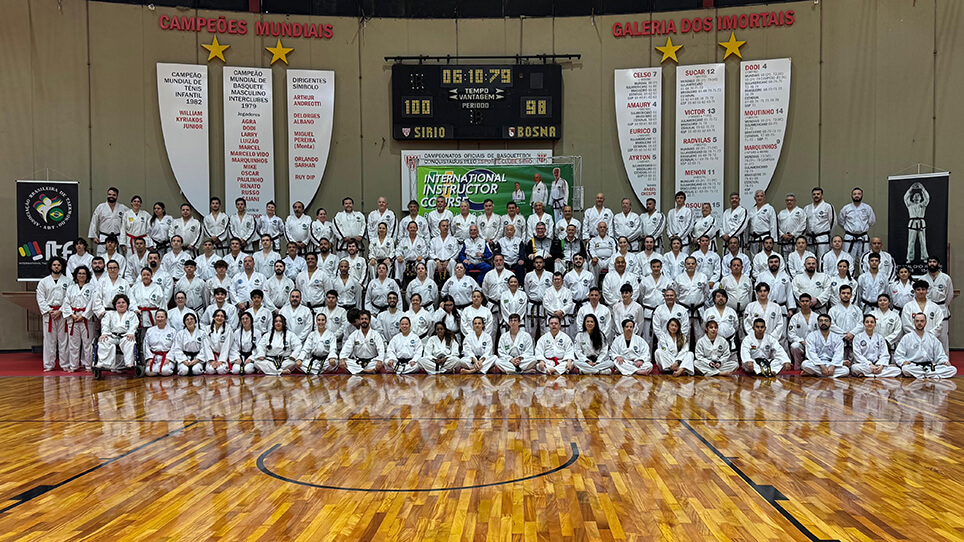
Organized by the Associação Brasileira de Taekwon-Do, a new IIC was held on August 14, 15, and 16. In addition to the technical content, the event also included modules on the work of the ITF Committees for Child Development and Harmony.
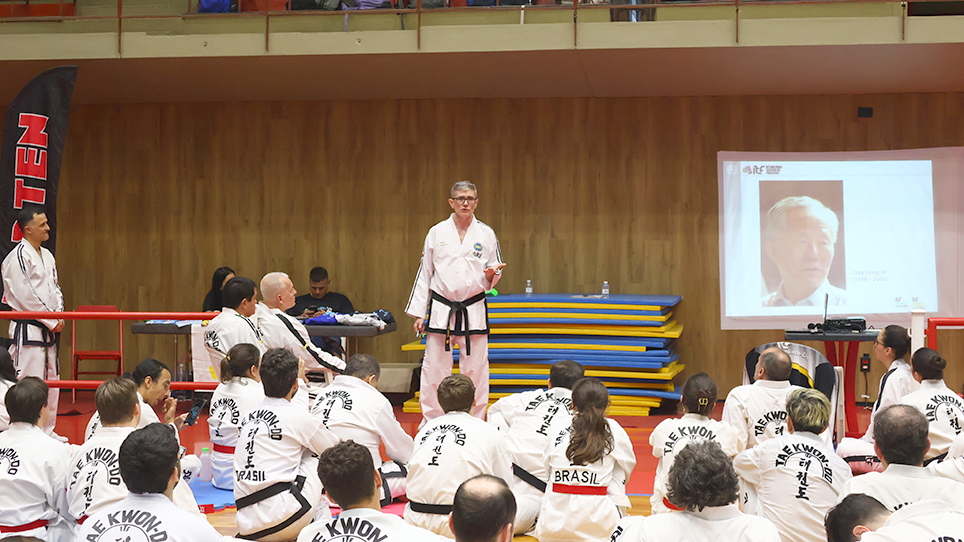
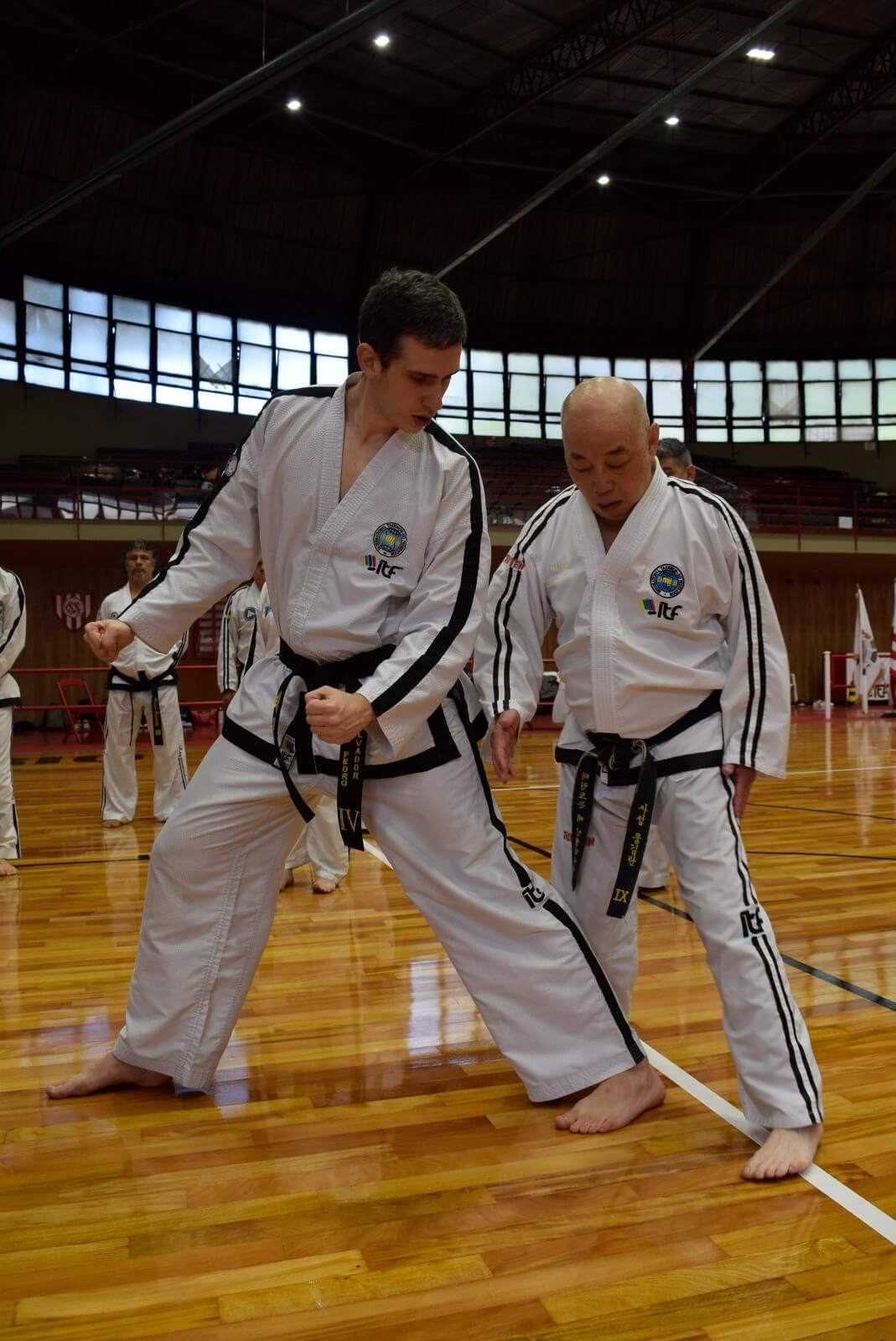
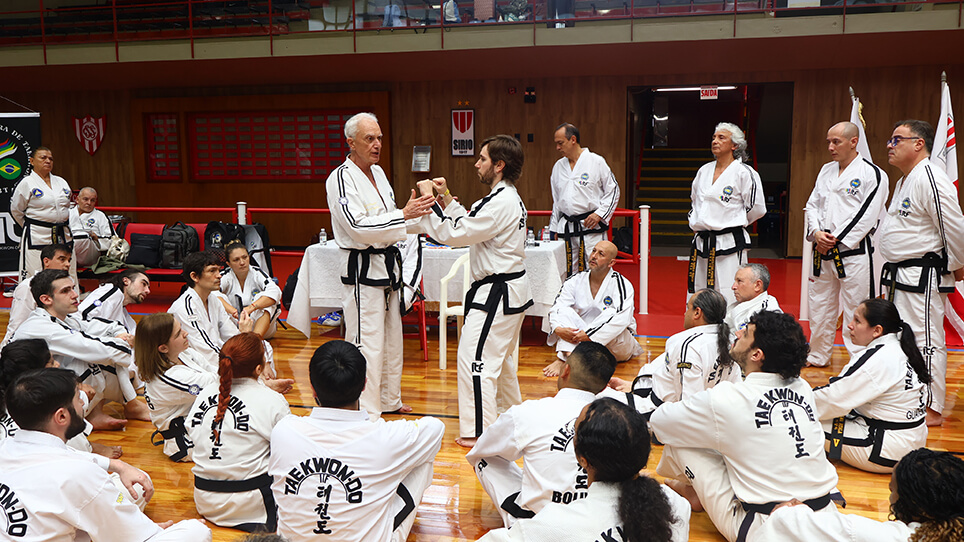
Representing the Technical and Instruction Committee were GM Héctor Marano and GM Ung Kim Lan; representing the Committee for Child Development was Master Fabián Izquierdo; and representing the Harmony Committee was Master Gastón Casero.
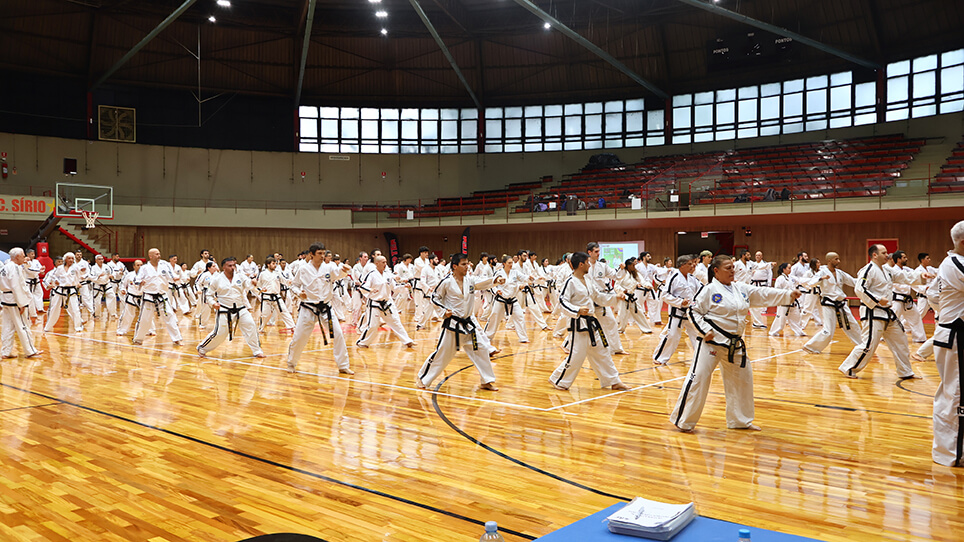
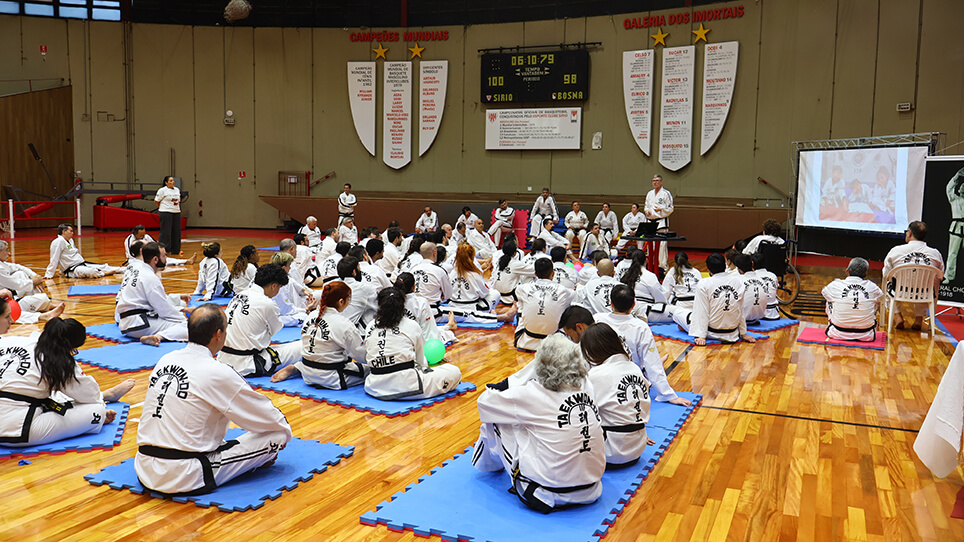
The course took place at Esporte Clube Sírio in the city of São Paulo, Brazil, which provided not only high-quality facilities suitable for an international event of this nature, but also made its staff available to provide service and support at all times.
The Organizing Committee was led by Master Ricardo Ramírez, Sabum Claudio Pinsdorf, and Master Fabián Izquierdo.
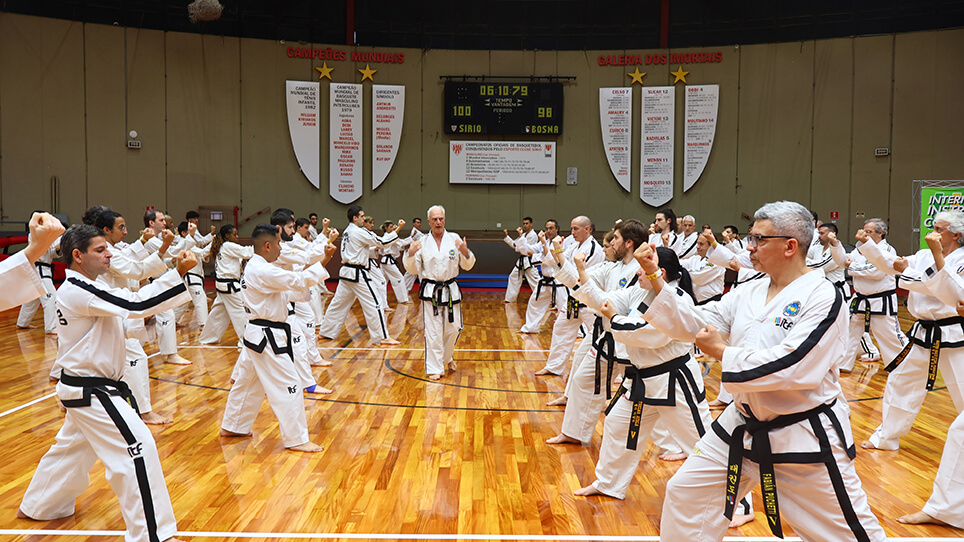
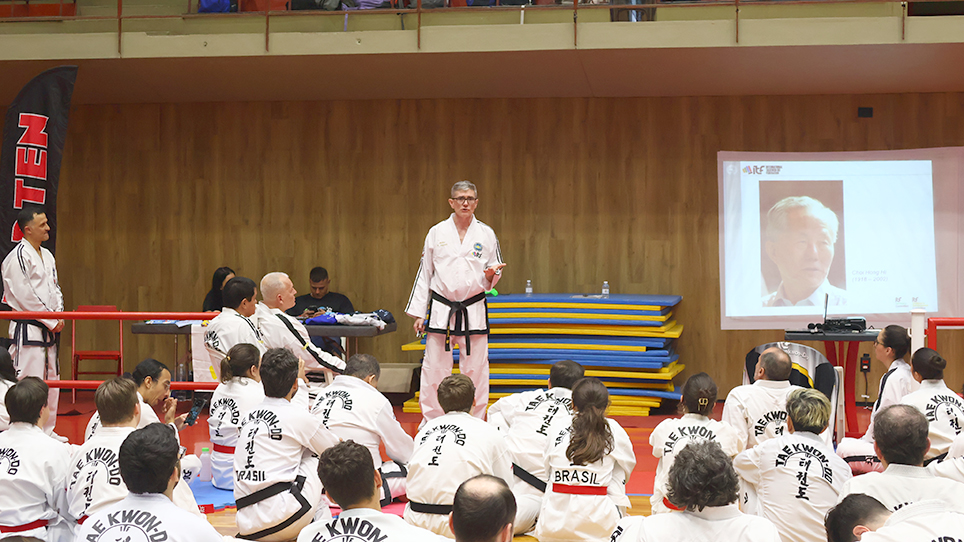
On Friday the 14th, following the participants’ reception, activities began with the traditional opening ceremony, protocol greetings, welcoming remarks, introductions of the lecturers, and the customary demonstration of respect for the memory of General Choi Hong Hi.
It is not merely the repetitive practice of the techniques of the Patterns, which can be carried out in the respective Do Jangs, but rather the detailed, profound, and thorough explanation of how and why each technique is performed that makes the difference.
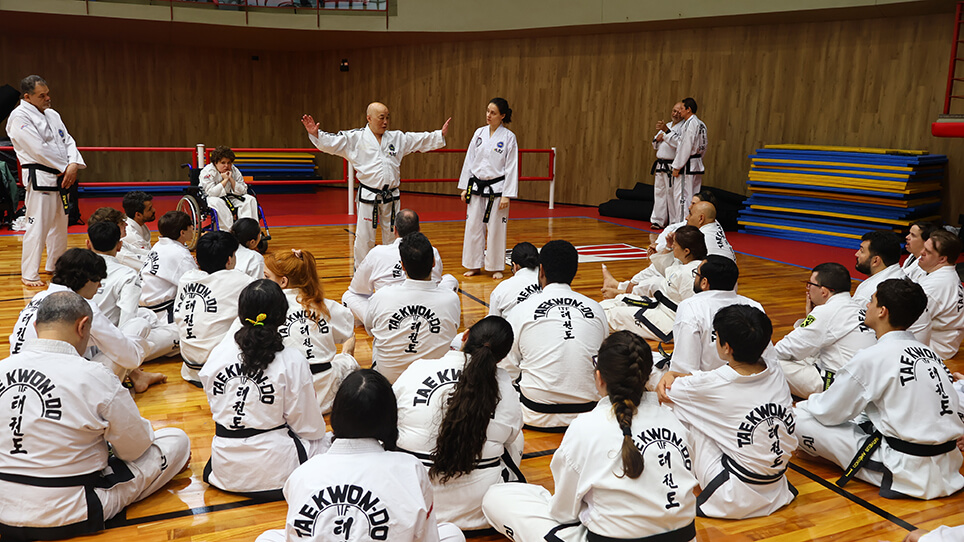
Thus, on the first day, in addition to covering all the Patterns from Chon Ji to Choong Moo, there were detailed explanations of basic stances, the preparation and execution of techniques, the importance of understanding the Theory of Power, the Secrets of Training, and the correct execution of the sine wave motion, among other topics.
But the course went much further. The need to understand and train the application of the different techniques was also addressed.
In another module, participants reviewed fundamental concepts and basic principles, such as the application and synchronization of techniques and the appropriate distance in one-, two-, and three-step sparring.
A question-and-answer session followed.
To conclude the first day’s activities, a historical presentation and review of the work carried out by the Harmony and Child Development Committees was given. This served as an introduction for those who were not familiar in depth with the work being undertaken and, at the same time, as preparation for the activities scheduled for the following day.
On the second day, participants continued with the study and analysis of the techniques corresponding to the I, II, and III Dan Patterns.
After each module, reviews and question-and-answer sessions were held, addressing not only technical matters but also historical aspects of Taekwon-Do.
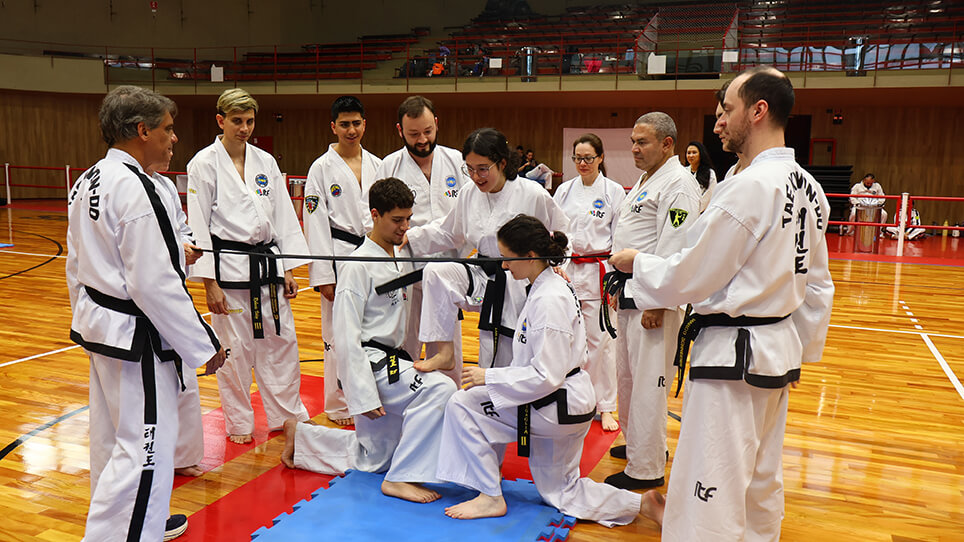
On Saturday afternoon, the Harmony and Kids workshops were held.
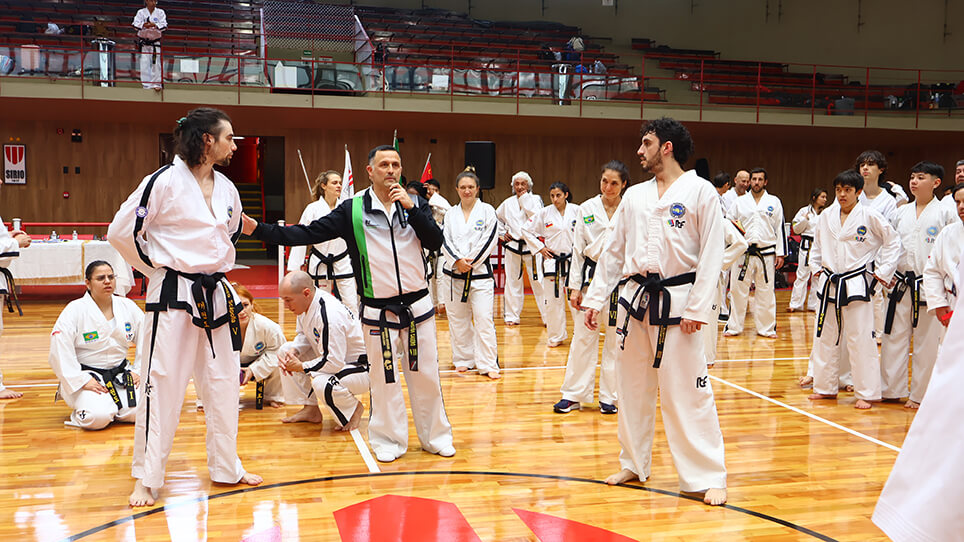
The sessions began with icebreaker games designed to explain the need to create a positive emotional environment before addressing any learning process.
Based on the premise that, for Taekwon-Do to truly be for everyone, it is necessary to adapt, different activities were carried out to demonstrate how exercises can be performed by both older adults and children.
Coordination, trust, following instructions, reaction, and activities aimed at keeping the mind active and improving attention were practiced.
There were also group and team dynamics, as well as the use of different training aids.
The subject of how to motivate students was explored in greater depth. Studies on emotions, pedagogy, and didactics were shared, and activities aimed at improving attention were conducted.
On the final day, following the division of the groups, a comprehensive review of the content up to III Dan was carried out, while the remaining categories progressed through Tong Il.
It is also worth highlighting the presence of GM Gonzalo Camelo from Colombia, who not only participated throughout the different sessions but also contributed to the corrections and reviews.
Another noteworthy event was the examination of Master Marco Fidel Porras Torres from Colombia, who was publicly recognized by GM Marano and GM Lan for his excellent performance.
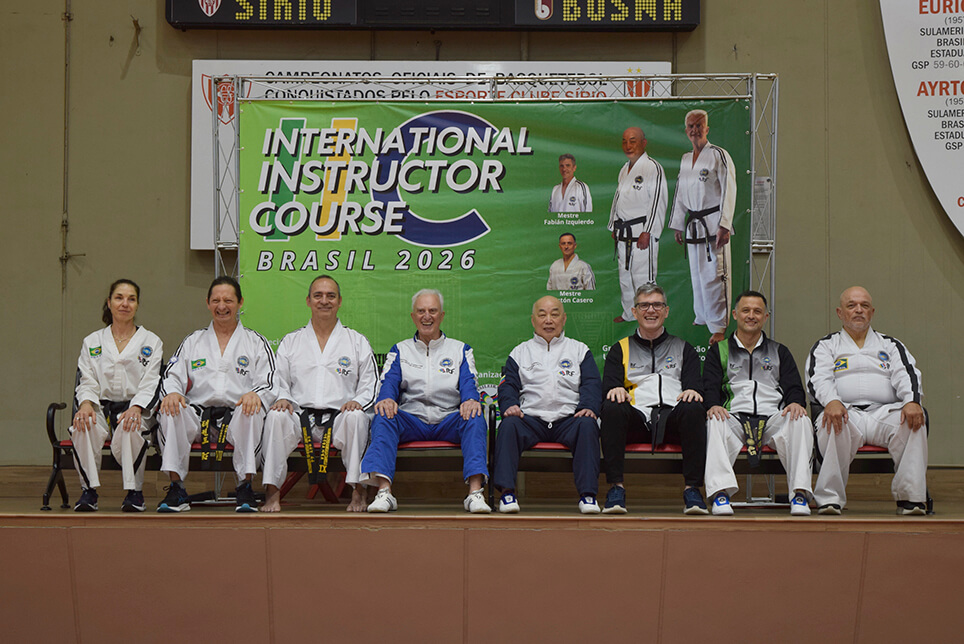
With photo sessions, moving words of gratitude, and farewells, this new IIC in Brazil came to a close.
 Historical IIC 194 in Ethiopia