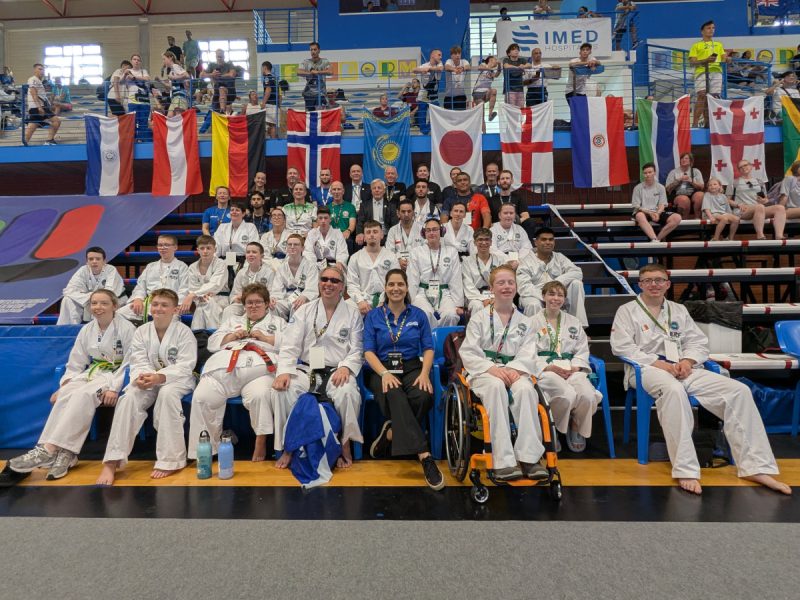
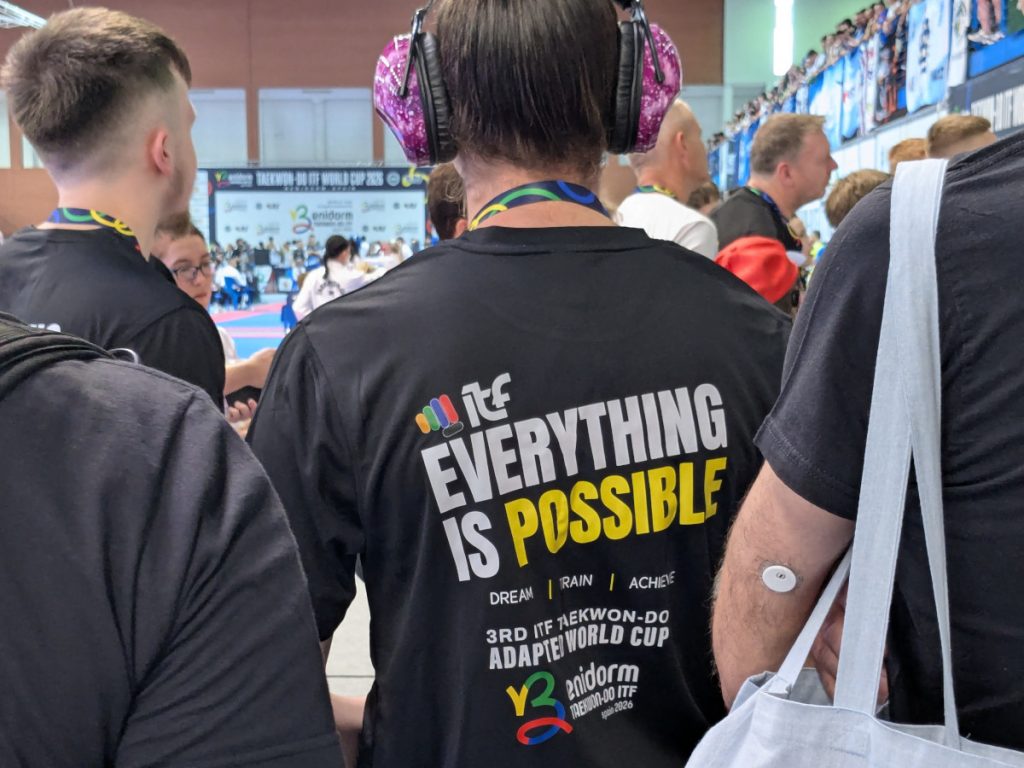
The 3rd ITF Adapted Taekwon-Do World Cup in Benidorm, Spain, held on September 30, became one of the most memorable moments of the 2026 World Cup week, bringing together athletes from 12 countries in a competition that combined outstanding Taekwon-Do performance with an atmosphere of warmth, respect, and genuine emotion.
A total of 33 athletes registered for the Adapted World Cup, representing 20 clubs and recording 61 entries across 20 categories. In total, 58 medals were awarded. Included on two out of the 11 rings available during the World Cup week in the competition venue Palau d’Esports l’Illa de Benidorm in parallel to the World Cup 2026 competition – with all its intensity and atmosphere. The competition in the Adapted World Cup brought together athletes with a wide range of disabilities, including blindness, autism and physical disabilities, with wheelchair users among the competitors.
The quality of the Patterns competition was particularly impressive. The categories followed a format very close to regular ITF Pattern competition, and the level displayed by the athletes was phenomenal. Their performances demonstrated precision, commitment, control and a deep understanding of Taekwon-Do, providing a powerful reminder that technical excellence can be expressed in many different ways.
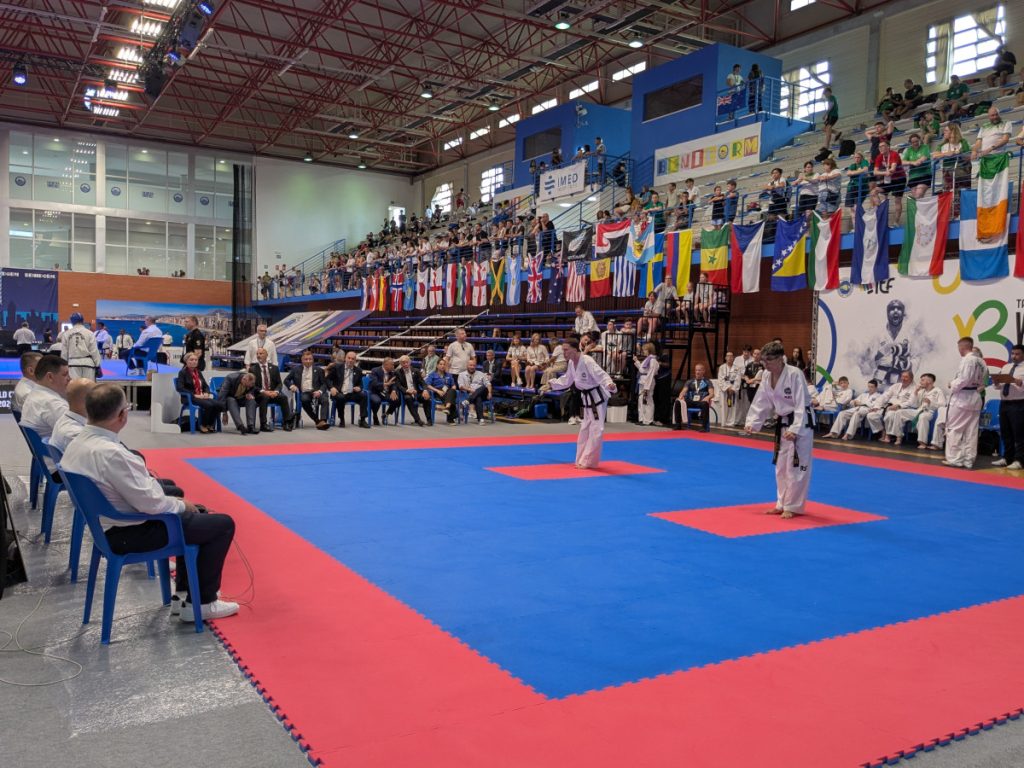
This year’s event also marked an important step forward with the introduction of Free Skills, contested for the first time at the Adapted World Cup. Twenty-eight athletes took part in this new competition format, which gives competitors greater freedom to demonstrate their individual abilities. With the support of a coach, helper or partner where appropriate, athletes could present anything from pre-arranged sparring-style sequences to free punching and kicking combinations and work with punch pads. The new format added another dimension to the competition and created opportunities for athletes to express their Taekwon-Do according to their individual abilities and circumstances. It also highlighted the creativity and adaptability of both competitors and their coaches.
Scotland had the strongest overall medal performance, with four clubs and nine athletes producing 18 entries and winning ten gold medals. Ireland followed with eight athletes from one club, 16 entries and four gold medals. Yet the significance of the Adapted World Cup could not be measured by medals alone. The atmosphere throughout the event was described as amazing, heart-warming and spectacular. Athletes supported one another, coaches shared in every success, and the emotional impact of the performances was clearly visible, with coaches moved to tears during some of the most memorable moments. And the full appreciation and attention of the ITF President and the VIRTUS delegate to all athletes.
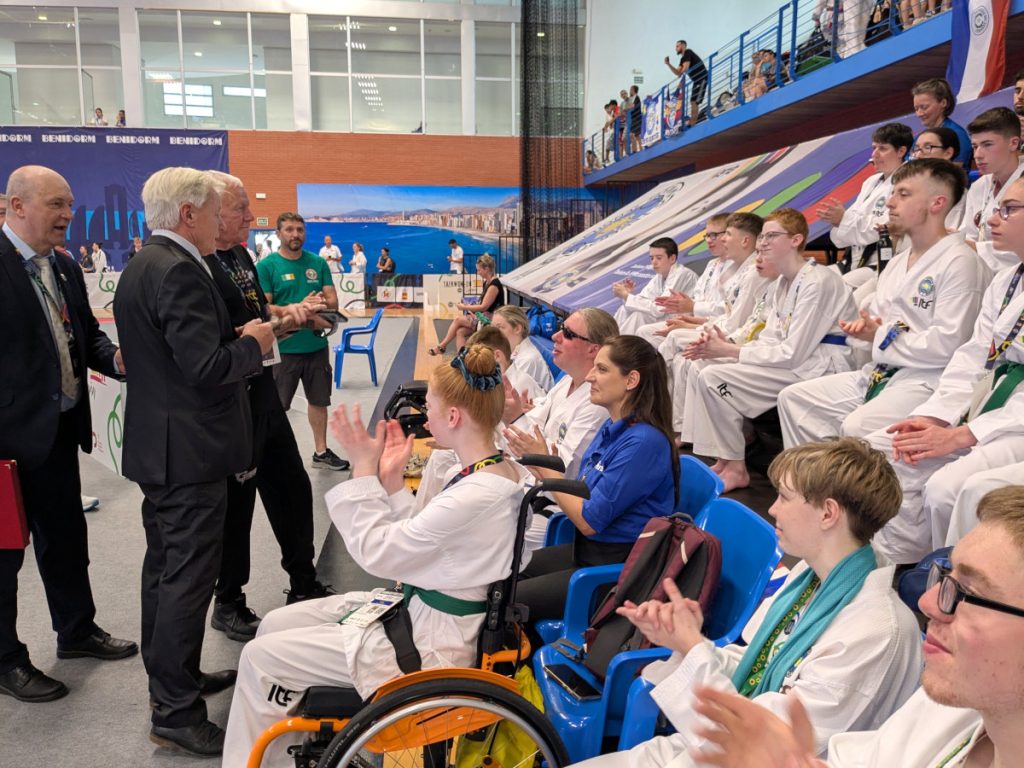
The 3rd ITF Adapted Taekwon-Do World Cup demonstrated the meaning of Taekwon-Do for All in a very tangible way. It showed athletes competing at a remarkable level, discovering new forms of expression and sharing the experience of Taekwon-Do together on the same international stage. At the same time, it practically demonstrated to the thousands of spectators that even it is often labelled as a “disability” we should focus on and embrace the abilities of every person.
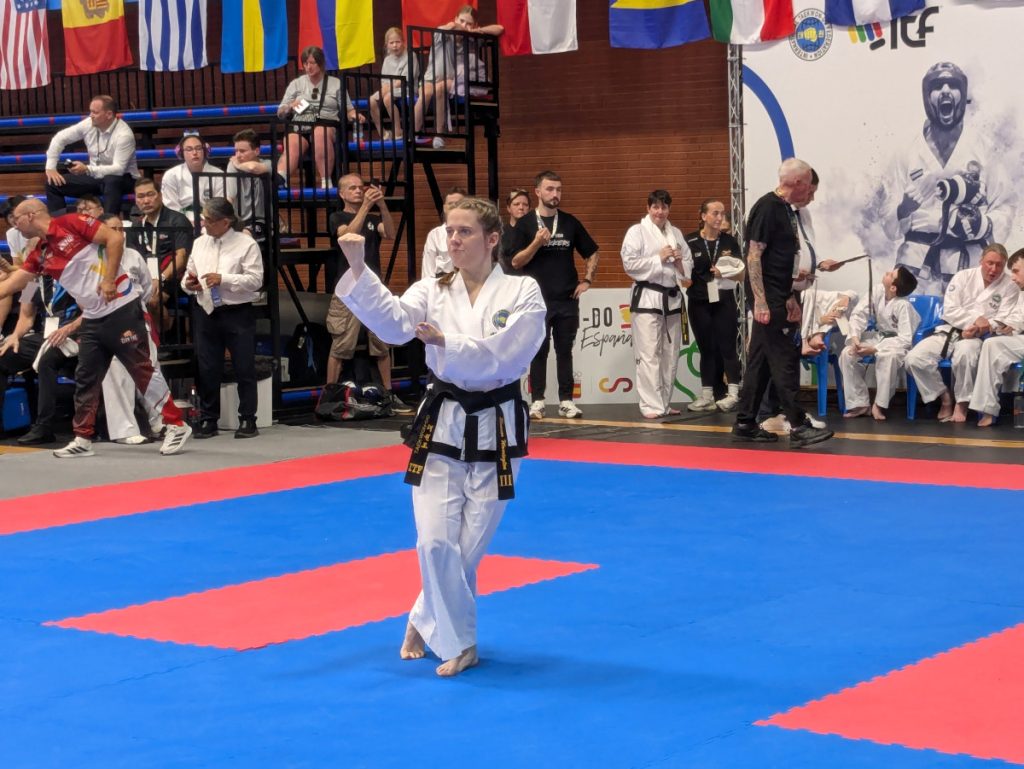
 World Cup Day 2: 75 Categories with a Golden Day for Argentina